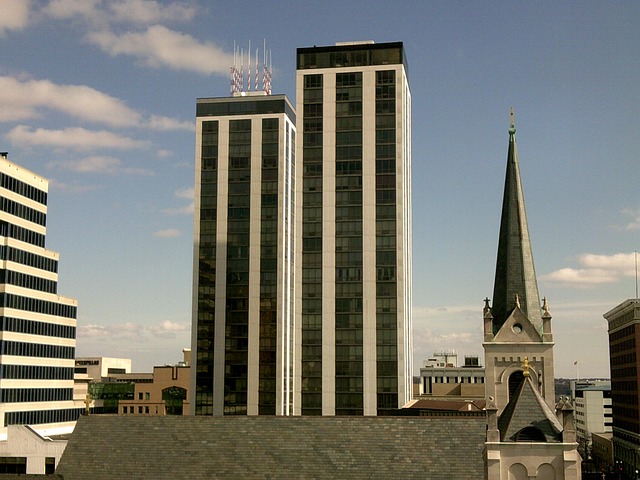
A thriving local economy, powered by strategic real estate investments, innovative policies, and digital infrastructure, fosters vibrant communities centered around family well-being. Key elements include walkable streets, excellent schools, healthcare, diverse housing, and safe environments. Cities like Seattle and Austin exemplify this balance, attracting businesses, retaining talent, and enhancing quality of life through affordable housing, robust parks, and public services. Strategic planning for mixed-use developments and engaging families in development processes drive economic growth while meeting community needs, creating sustainable, desirable locations. Real estate naturally aligns with these efforts to build thriving communities.
In today’s competitive market, understanding the factors that foster a vibrant community is paramount, especially when considering real estate investments. The harmonious blend of a family-friendly vibe and a robust local economy presents an attractive proposition for prospective buyers and renters alike. This article delves into the intricate relationship between these elements, offering insights into how they mutually reinforce each other. By examining successful cases, we aim to illuminate strategies that can enhance both community well-being and real estate values. Through this exploration, we seek to empower stakeholders with knowledge to navigate and contribute to thriving locales.
Building a Strong Local Economy: Strategies for Success

A thriving local economy is the cornerstone of any vibrant community, fostering a family-friendly vibe through robust job opportunities, prosperous businesses, and a high standard of living. Building a strong local economy requires a strategic approach that leverages various interconnected factors such as real estate, infrastructure, education, and tourism.
In terms of real estate, investments in residential and commercial properties can stimulate economic growth by attracting new businesses and residents. According to recent data, cities with stable or growing real estate markets experienced 2-3% higher GDP compared to their counterparts. This correlation underscores the critical role that property development plays in fostering economic vitality. For instance, a bustling downtown core, filled with mixed-use buildings, can attract tech startups, retail establishments, and restaurants, creating a vibrant hub that draws both locals and visitors.
Implementing innovative policies and partnerships is also essential for economic success. Local governments can incentivize businesses to locate within the community through tax breaks, grants, or shared spaces. Collaborating with nearby institutions of higher education can foster entrepreneurship by providing access to talent pools and research opportunities. Additionally, investing in digital infrastructure, such as high-speed internet and telecommunications networks, enables remote work capabilities and attracts tech-driven companies. These strategies collectively contribute to a diverse and resilient local economy that supports families and drives sustainable growth.
Family-Centric Real Estate: Creating Nurturing Neighborhoods

Family-centric real estate plays a pivotal role in fostering nurturing neighborhoods, which are not just homes but thriving communities built around the well-being of families. These areas offer a unique blend of safe, child-friendly environments coupled with a strong local economy—a powerful combination that significantly enhances family quality of life. Recent studies show that families are increasingly seeking such environments, driving a shift in real estate trends towards more inclusive and family-oriented spaces.
Creating these ideal neighborhoods involves strategic planning by developers, city planners, and investors. Key considerations include designing walkable streets with ample green spaces, implementing robust infrastructure for schools and healthcare facilities, and ensuring a mix of housing options that cater to diverse family needs. For instance, mixed-use developments that incorporate residential, commercial, and recreational spaces have proven popular, offering convenience and fostering community interaction. According to the National Association of Realtors, families are more likely to settle in areas with strong local businesses, quality schools, and access to recreational amenities.
Real estate naturally aligns with these trends by identifying and developing land banked properties into family-friendly enclaves. Redevelopment projects can transform underutilized spaces into vibrant neighborhoods, attracting families with modern homes, well-maintained public spaces, and excellent local services. Experts suggest that investing in such initiatives not only boosts property values but also strengthens the social fabric of communities. For example, revitalized urban areas have seen an influx of young professionals and families, leading to increased local spending and a thriving tax base. By prioritizing family-centric real estate practices, cities can create sustainable, attractive destinations that cater to the needs of modern families while nurturing strong local economies.
Thriving Communities: The Role of Economic and Family Harmony
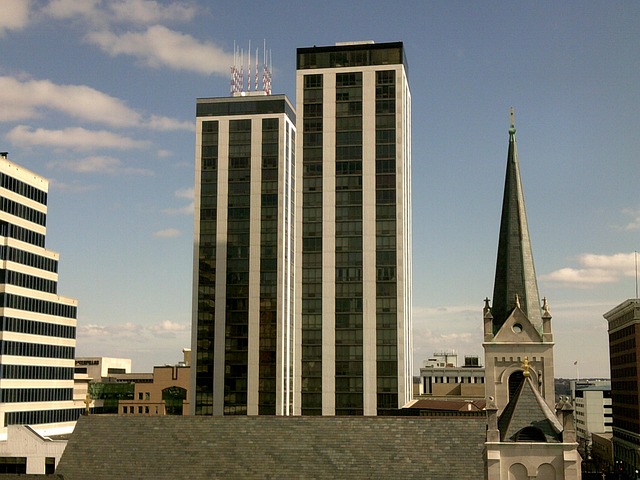
Communities that foster both economic vitality and a family-friendly atmosphere create an ideal environment for residents to thrive. This harmonious balance is a powerful driver of local economies, as it attracts businesses while retaining a robust talent pool—a key ingredient for sustained growth. In such settings, families are more likely to put down roots, contributing to stronger community bonds and higher levels of civic engagement. For instance, cities like Seattle and Austin have seen significant economic booms alongside initiatives that prioritize family well-being, such as extensive parks systems, high-quality public schools, and robust healthcare infrastructure. These factors not only enhance the quality of life for families but also attract young professionals and entrepreneurs, perpetuating a positive cycle of growth.
Real estate plays a pivotal role in this dynamic. Neighborhoods characterized by affordable housing options, safe streets, and excellent community amenities tend to be highly desirable, leading to increased property values and a more diverse, resilient real estate market. According to a recent study, communities with strong family-centric features experienced higher rates of homeownership and lower vacancy rates, demonstrating the intrinsic link between family-friendly vibes and economic stability. By investing in infrastructure that caters to families—from playgrounds and community centers to quality education and healthcare—local governments can spur economic growth while ensuring a stable and thriving resident base.
Building on these principles requires collaborative efforts from local governments, businesses, and residents. Strategic planning initiatives should prioritize mixed-use developments that combine residential spaces with retail and commercial options, fostering a vibrant, walkable environment. Additionally, incentives for employers to locate or expand in family-friendly areas can attract talent and support local economies. Engaging families in these processes ensures that community development aligns with their needs and aspirations, ultimately enhancing the sense of belonging and investment in the region’s future.