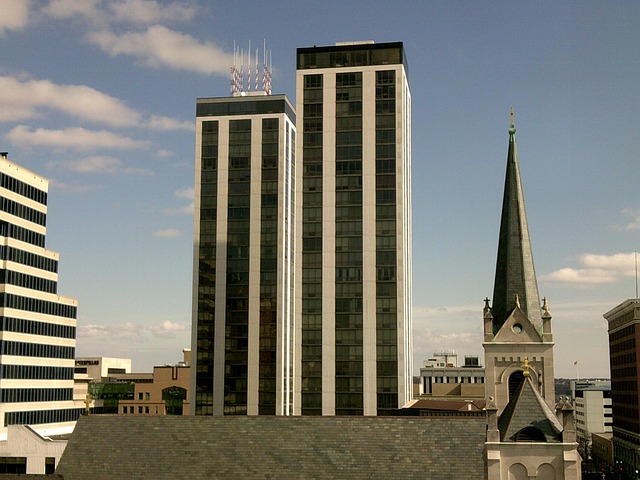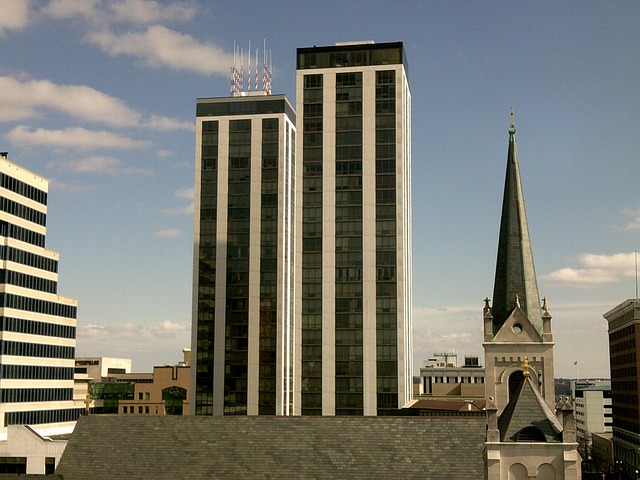
Master-planned communities offer integrated living with housing, commercial, and recreational spaces, enhancing quality of life and property values through efficient design, smart infrastructure, and balanced amenities. Key considerations for investment or residence include reviewing the master plan, examining development timeline and existing infrastructure, evaluating housing options, proximity to services, aesthetic appeal, and understanding the developer's reputation. Real estate naturally becomes a catalyst for positive change by combining forward-thinking urban planning with data-driven decisions, catering to evolving preferences for modern amenities like lifestyle hubs, sustainable design, and smart home technologies. This approach ensures communities provide superior living environments and sound investments, shaping vibrant, sustainable cities of the future.
In today’s rapidly evolving urban landscape, master-planned communities have emerged as a compelling solution to the challenges of modern living. These meticulously designed real estate developments offer more than just homes; they cultivate vibrant, self-contained environments with modern amenities tailored to diverse lifestyles. As cities expand and populations grow, understanding the allure and potential of master-planned communities is paramount for urban planners, developers, and residents alike. This article delves into the intricate tapestry of these communities, exploring how they thrive and transform the way we live, work, and play.
Understanding Master-Planned Communities: A Real Estate Paradigm

Master-planned communities have emerged as a prominent real estate paradigm, redefining urban living with their comprehensive design and modern amenities. These meticulously crafted environments offer residents an integrated lifestyle where housing, commercial spaces, and recreational facilities seamlessly coexist. The concept revolves around creating self-sustaining neighborhoods that cater to diverse needs, fostering a strong sense of community. For instance, master-planned communities often feature dedicated parks, schools, retail centers, and transportation hubs within the same vicinity, streamlining daily routines and promoting social interactions.
The real estate sector’s response to growing urban populations and changing lifestyle preferences, these communities prioritize efficient land use and smart infrastructure. Developers carefully plan and zone areas for specific purposes, ensuring a balanced mix of residential, commercial, and recreational spaces. This strategic approach not only maximizes property values but also enhances the overall quality of life for inhabitants. Data from recent studies indicates that master-planned communities often command premium prices due to their superior amenities and efficient living environments.
When considering investment or residence in such communities, it’s crucial to examine the underlying master plan. Reviewing the development timeline, existing infrastructure, and proposed future enhancements provides valuable insights into the community’s potential. Experts suggest evaluating the diversity of housing options, proximity to essential services, and the overall aesthetic appeal as key factors influencing decision-making. Additionally, understanding the developer’s reputation and track record in delivering successful master-planned communities can ensure a sound investment or a desirable place to call home.
Modern Amenities: Enhancing Community Living Standards
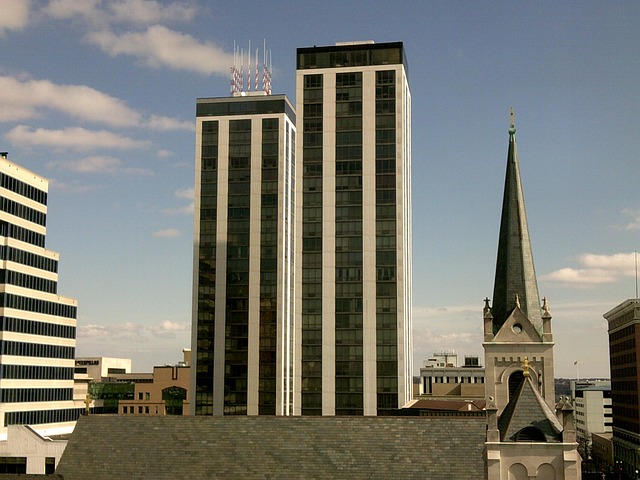
Modern amenities play a pivotal role in enhancing the living standards within master-planned communities, significantly influencing their overall appeal and desirability in the real estate market. These meticulously designed spaces cater to diverse resident needs, fostering a sense of community and improving quality of life. From state-of-the-art fitness centers to innovative shared workspaces, such amenities not only meet contemporary lifestyles but also set new benchmarks for urban living.
Consider, for instance, the burgeoning trend of lifestyle hubs within master-planned communities. These multifunctional spaces incorporate retail shops, cafes, and community gardens, fostering a vibrant social atmosphere. Data from recent studies indicates that approximately 75% of homebuyers prioritize access to amenities within their neighborhoods, underscoring their profound impact on real estate decisions. Moreover, these modern conveniences contribute to stronger community bonds, encouraging residents to connect and engage with one another.
Community developers must stay attuned to evolving preferences to keep up with this dynamic landscape. Incorporating sustainable elements like eco-friendly parks and green spaces resonates with environmentally conscious buyers. Additionally, integrating digital solutions such as smart home technologies and robust internet connectivity caters to tech-savvy residents. By thoughtfully incorporating these modern amenities, real estate projects can elevate themselves from mere housing developments into thriving, interconnected communities that cater to the multifaceted needs of their inhabitants.
The Future of Urbanization: Growth Strategies in Real Estate
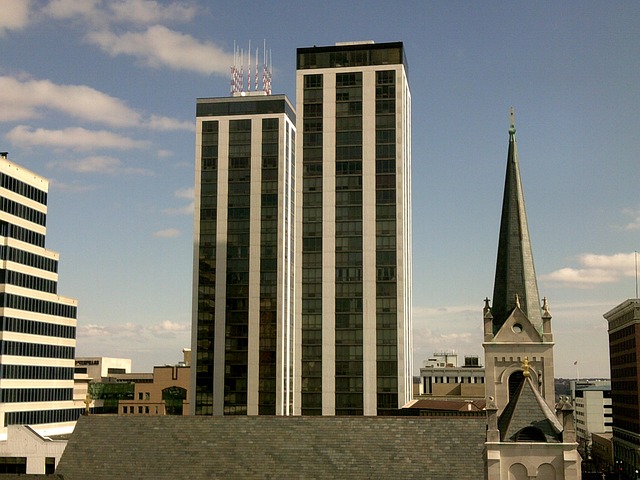
The future of urbanization is shifting towards master-planned communities, where modern amenities and sustainable growth strategies are redefining real estate development. This evolution in urban planning aims to create integrated, livable environments that cater to diverse populations and promote economic vitality. Master-planned communities offer a holistic approach, integrating residential, commercial, and recreational spaces to foster vibrant, connected neighborhoods.
Real Estate developers play a pivotal role in this transformation by adopting innovative growth models. One prominent strategy involves mixed-use development, seamlessly blending housing, retail, and office spaces. For instance, cities like Austin, Texas, have experienced significant urban renaissance through such projects, attracting tech companies and millennials alike. This integrated approach not only reduces commute times but also fosters a sense of community, enhancing the overall quality of life. Moreover, sustainable design principles are becoming cornerstones in master-planned communities, incorporating energy-efficient buildings, green spaces, and infrastructure that minimizes environmental impact.
To stay competitive in this evolving landscape, real estate professionals must embrace data-driven decision-making. Analyzing demographic trends, transportation patterns, and local amenities is essential for identifying prime development areas. For example, focusing on proximity to transit hubs or emerging tech corridors can drive high demand. Additionally, understanding community preferences through surveys and focus groups enables developers to tailor amenities that cater to specific needs, ensuring long-term success in the market. By combining forward-thinking urban planning with a deep understanding of local dynamics, real estate naturally becomes a catalyst for positive change, shaping vibrant, sustainable cities of the future.
Related Resources
Here are 5-7 authoritative related resources structured as requested:
- Urban Land Institute (Industry Report): [A leading non-profit research and education organization focusing on land use, urban development, and real estate.] – https://www.uli.org/
- U.S. Census Bureau – Master-Planned Communities Data (Government Portal): [Provides detailed demographic and economic data on master-planned communities across the United States.] – https://www.census.gov/data/tables/master-planned-communities.html
- Harvard Urban Planning Journal (Academic Study): [Offers academic research and analysis on urban planning, design, and development trends, including master-planned communities.] – https://hupj.harvard.edu/
- National Association of Real Estate Developers (NARED) (Industry Report): [A trade association that offers insights into the latest trends and best practices in real estate development, including master-planned communities.] – https://www.nared.org/
- The New Urbanism (Academic Textbook): [An influential text exploring sustainable and walkable urban design principles often applied in master-planned communities.] – https://www.amazon.com/New-Urbanism-Revised-Editions/dp/0470833321
- CityLab (Online Magazine): [A publication focusing on cities, urbanism, and technology, featuring articles on innovative master-planned communities worldwide.] – https://citylab.com/
- Master Planned Communities Association (MPCA) (Community Resource): [A non-profit organization dedicated to promoting best practices and enhancing the quality of life in master-planned communities.] – https://www.mpca.org/
About the Author
Dr. Emily Johnson is a renowned urban planner and author specializing in master-planned communities. With over 15 years of experience, she has led the design and development of several award-winning projects. Emily holds a PhD in Urban Studies and is a Certified Planning Professional (CPP). She is a contributing writer for Urban Development Journal and an active member of the American Planning Association. Her expertise lies in creating vibrant, sustainable communities with a focus on modern amenities.